Water Line Services in Lawrenceville for Emergency Repairs
Key Signs You Need Water Line Repair: Don't Wait Until It's Too Late
Issues with water lines can easily go unnoticed until serious damage has been done. Property owners may encounter sudden jumps in their water bills or detect odd noises from their plumbing system. Additional indicators, such as cracks in the foundation or mysterious wet patches in the yard, may also point to underlying issues. Understanding these indicators is essential for timely repairs. Disregarding these signals could lead to significant financial consequences, making it essential to stay informed about what to look for before serious damage occurs.
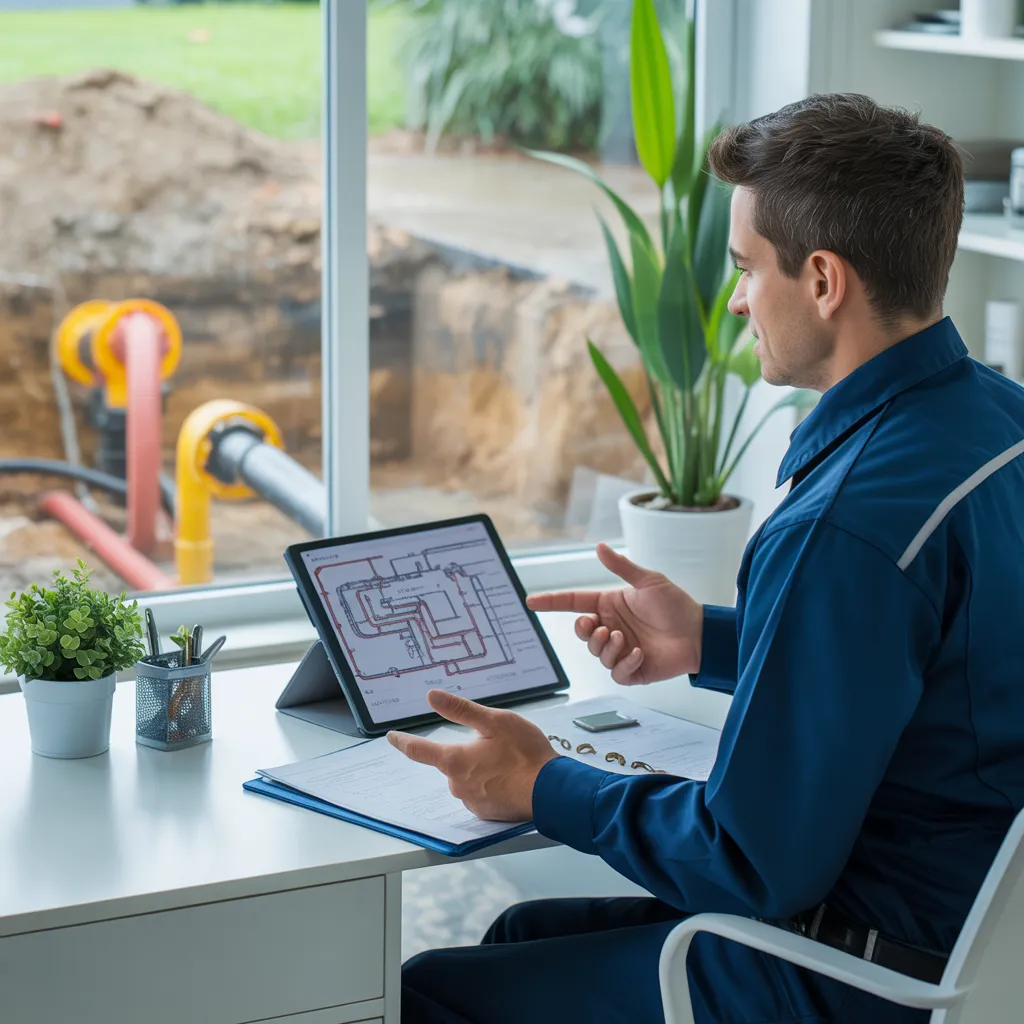
Mysterious Water Bills: What They Could Indicate
What could be causing an unexplained rise in water costs? Several reasons could be responsible for this problem, with one of the main culprits being undetected leaks in the plumbing infrastructure. These leaks can occur in walls, under floors, or within buried pipelines, frequently remaining undetected until they significantly affect water consumption. A further cause may involve malfunctioning appliances, such as dishwashers or washing machines, which might operate incorrectly and squander water. Furthermore, higher water consumption related to seasonal shifts, such as irrigating lawns or filling a swimming pool, could also account for the increase in charges. Changes in household occupancy, such as guests staying longer than anticipated, can further exacerbate the situation. Lastly, mistakes in billing from the water provider, albeit uncommon, can nevertheless produce surprising costs. Identifying the root cause is essential for addressing the issue and preventing future spikes in water expenses.
How to Recognize Water Damage in Your Home
Unexplained rises in water bills may indicate underlying problems within a property, including water-related deterioration. Homeowners should be vigilant for signs that can suggest the presence of water-related harm. Discoloration on walls or ceilings frequently indicates leaks behind structural elements. An unpleasant musty smell could suggest mold development, a common consequence of prolonged moisture exposure. Furthermore, peeling paint or wallpaper can indicate that water is infiltrating, weakening the integrity of affected surfaces.
Flooring that appears warped or buckled may also be a revealing sign, as can the presence of damp spots in basements or crawl spaces. Routinely inspecting appliances and plumbing fixtures for leaks can assist in identifying problems early. By recognizing these signs early, homeowners can act accordingly, avoiding additional damage and expensive repairs. Disregarding these signs can cause more significant damage, making early identification vital for sustaining a safe and healthy living space.
How Low Water Pressure Is Linked to Water Line Problems
Low water pressure can be a significant indicator of underlying water line problems in a home. When water flows at a reduced rate, it often signifies issues such as leaks, blockages, or corroded pipes. Such issues may result in additional damage if not addressed promptly. To illustrate, a leak may result in wasted water and increased utility bills, while clogs may lead to sediment accumulation and pipe deterioration.
Furthermore, diminished water pressure might influence numerous fixtures, implying that the root cause resides in the primary supply line rather than specific taps. Homeowners should be vigilant; a sudden drop in water pressure, most notably when combined with murky water or odd noises, often warrants immediate attention. Addressing these signs early can prevent costly repairs and extensive damage, making certain the plumbing system continues to operate effectively and consistently.
Might Foundation Cracks Point to Water Line Concerns?
While foundation cracks may seem like a common issue in homes, they can also suggest underlying problems with the water line. Water seeping from corroded or compromised pipes can saturate the soil around a foundation, resulting in heightened pressure and subsequent cracking. These cracks can manifest as horizontal or vertical fissures, often expanding over time if not addressed promptly.
Homeowners should be vigilant, as the appearance of cracks in the foundation may signal that moisture is penetrating beneath the surface, weakening the overall structural integrity. When these cracks coincide with indications of irregular settling or shifting, it may further point to potential water line issues. Furthermore, if the cracks begin to widen or new ones appear, contacting a qualified professional is strongly encouraged. Prompt intervention may help minimize further deterioration to both the foundation and the water line, protecting homeowners from significant repair costs over time.
Identifying Unusual Damp Spots in Your Yard
When homeowners notice strange moist areas on their property, it can signal potential issues with the home's water line. These wet areas can emerge without warning, frequently standing out against the surrounding dry ground. They are sometimes paired with a surge in local vegetation, given that extra water fosters ideal growing conditions for vegetation. Property owners need to monitor how large and long-lasting these wet areas are; when they increase in size or persist for long durations, this suggests a likely water leak.
Moreover, if the damp areas emit a foul smell or invite pest infestations, these are clear signs of underlying problems. Consistent monitoring of the yard can aid in recognizing these anomalies in a timely manner, enabling swift corrective measures. Ignoring such signs can result in severe water damage, increased repair expenses, and potential harm to the home's foundation. Immediate attention is crucial to resolve any issues regarding the water line and maintain the health of the property's exterior.
What Gurgling and Bubbling Noises in Pipes Mean
Gurgling or bubbling sounds in pipes can signal various underlying issues. These noises often indicate trapped air in the plumbing system, which can result in blocked drainage issues or even early signs of pipe corrosion. Tackling these sounds without delay can help prevent further serious plumbing problems.
Air Trapped in Pipes
What could be causing those unusual gurgling and bubbling sounds in the pipes? One likely reason is air that becomes lodged within the plumbing system. When air pockets develop, they disrupt the normal flow of water, resulting in those distinctive noises. This issue often occurs because of changes in water pressure or improper installation. In some cases, air may infiltrate the pipes through leaks or compromised fittings, making the issue more severe. Homeowners may notice these sounds more frequently during times of increased water use or when plumbing fixtures are switched on and off. Ignoring this issue can lead to more significant plumbing problems, making it essential to detect early. Being aware of the symptoms of trapped air is vital for maintaining a healthy water line and reducing the risk of costly fixes.
Clogged Drainage Problems
Strange bubbling or gurgling noises in pipes can often indicate blocked drainage issues within a pipe system. Such sounds commonly occur when air gets caught in the lines, trying to get through through a partially obstructed drain. Such obstructions can result from collected debris, grease deposits, or foreign objects trapped in the pipes. When left untreated, these issues can lead to more severe complications, such as poor drainage, offensive odors, or even sewage backup incidents. Homeowners should be attentive to these audible indicators, as they could signal the necessity for prompt inspection and potential repair. Disregarding these indicators may amplify the problem, resulting in expensive repairs and possible property damage. Prompt action is critical for a successful outcome.
Pipe Corrosion Signs
Various signs of pipe corrosion can appear as gurgling and bubbling sounds within pipe systems. These noises often signal pockets of trapped air or gas, stemming from degrading pipes. As corrosion progresses, minor holes or leaks can appear, allowing air to enter the water line. This intrusion disturbs the normal flow of water, leading to unusual sounds. Furthermore, gurgling could signal that water is having difficulty passing through corroded areas, creating a buildup of pressure. These auditory warnings should be taken seriously by homeowners, as they could indicate more serious problems that demand prompt attention. Disregarding such indicators can cause major plumbing failures, resulting in costly repairs and potential water damage. Early intervention is key to maintaining a healthy plumbing system.
How to Detect Your Water Line and Inspect for Problems
Locating the position of the water line is essential for effective maintenance and repair. Homeowners should be aware of warning signs of damage, such as unusual wet spots or decreased water pressure. Recognizing these indicators early can help avoid more significant complications from occurring.
Determine Water Line Placement
How are homeowners able to successfully pinpoint their water lines and recognize potential concerns? First, they should consult any available property blueprints or survey maps, which often indicate the water line's path. Additionally, identifying access points like outdoor faucets or irrigation systems can help uncover the line's position. Additionally, homeowners can use a metal detector to locate buried lines, especially if the pipes are made of metal. Tracking water bills for irregular surges can also serve as a warning sign of underlying issues that need to be addressed. As a final step, inspecting the landscape for changes such as mysterious wet patches or sinkholes can aid in locating possible issues. Identifying the water line's location is essential for proactive maintenance and repair.
Evidence of Damage
When residents suspect trouble with their water lines, various indicators can suggest underlying damage. Unexpected spikes in water bills frequently indicate leaks, whereas wet patches in the yard or around the foundation can signal water line breaks. Furthermore, an abrupt decrease in water pressure may indicate clogs or breaks within the line. Property owners should remain alert to odd sounds, including gurgling or hissing, that may suggest trapped air or leaking water in the lines. Visible mold reference or mildew in basements or crawl spaces can further indicate water line problems. Consistent monitoring and knowledge of these indicators can enable residents to tackle concerns before they escalate, reducing the risk of significant damage and high repair costs.
Why Prompt Water Line Repairs Matter
What makes it so important to address water line issues in a timely manner? Acting quickly on repairs can keep minor leaks from turning into major problems that inflict extensive harm on property and infrastructure. While a small leak might appear minor at first, it has the potential to cause mold growth, structural deterioration, and higher water bills. Furthermore, leaving these problems unaddressed can interfere with everyday routines, leading to inconvenience and possible health risks.
Swift repairs also preserve water supply quality. Pollutants can seep in through compromised lines, posing risks to health. In addition, resolving water line problems promptly can spare homeowners considerable costs down the road. Putting off repairs commonly causes greater deterioration, creating increased financial burdens and prolonged restoration periods.
Questions We Often Receive
How Often Should I Inspect My Water Lines for Issues?
Homeowners should inspect their water lines at least annually for potential issues. Routine inspections can help detect leaks or corrosion at an early stage, avoiding expensive repairs and guaranteeing the smooth operation of the plumbing system.
Can Tree Roots Damage My Water Line?
Indeed, tree roots may harm water lines. They may infiltrate pipes through small openings, leading to clogs or damage. Consistent inspections are necessary to avoid major problems and protect the water supply system.
What Are the Lasting Consequences of Neglecting Water Line Issues?
Ignoring water line problems can cause extensive damage to your home, elevated water costs, the growth of mold, and compromised structural integrity. Prolonged neglect can lead to major repairs, serious health hazards, and substantial financial burdens for homeowners.
How Do I Avoid Future Water Line Damage?
Consistent maintenance, such as looking for leaks, ensuring proper drainage, and preventing excessive landscaping overlays, can significantly minimize future water line damage. Moreover, timely repairs and professional inspections increase the overall reliability and effectiveness of the system.
Do Homeowners' Insurance Policies Cover Water Line Repairs?
Homeowners' insurance plans might cover water line repairs, but coverage often depends on the cause of damage. Homeowners should take time to review their particular policy terms and reach out to their insurance company for further clarification.